
Institute Cargo Clauses: A, B and C
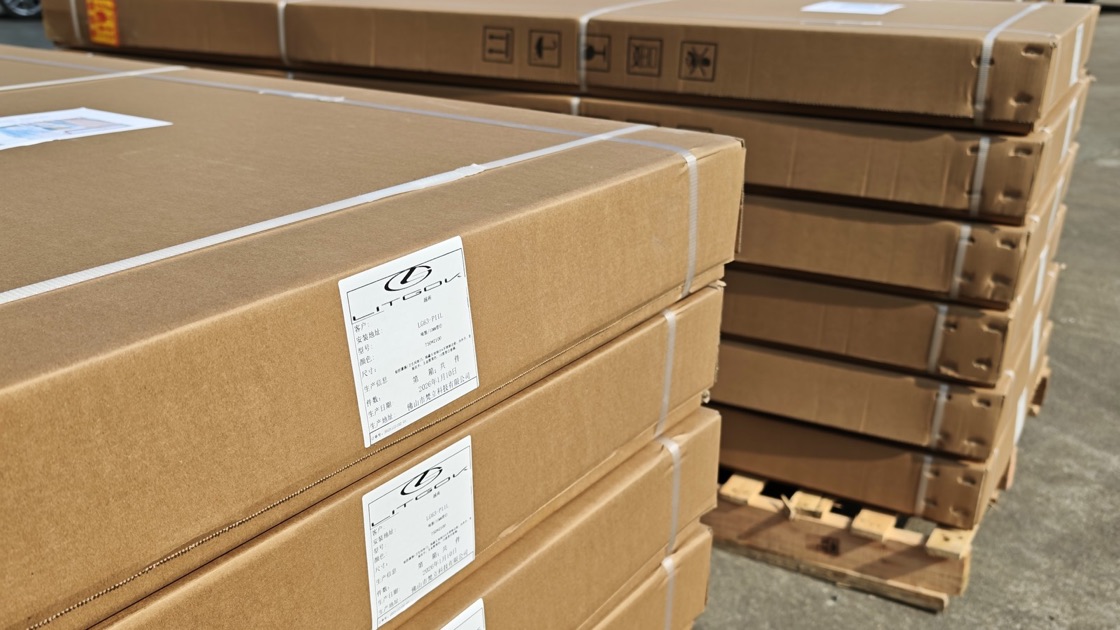
Marine cargo policies are commonly written against one of three standard clause sets. Clause (A) is written on an all-risks basis, covering loss or damage from any cause except a defined list of exclusions such as inherent vice, ordinary wear, or willful misconduct. Clauses (B) and (C) instead list the specific events they cover, rather than excluding specific events from a broad default.
Clause (B) adds cover for events such as earthquake, water entering the vessel's hold, and goods washed overboard, on top of Clause (C)'s narrower list of major casualty events like fire, explosion, vessel grounding or collision, and general average sacrifice. Under CIF, Incoterms 2020 requires the seller to buy only the minimum level, Clause (C), unless the sale contract specifies otherwise, while CIP calls for Clause (A) by default, which is why a CIF buyer who wants broader protection needs to ask for it explicitly rather than assume it is already included.
- Clause (A): all risks, subject to a defined list of exclusions
- Clause (B): named perils, a broader list including water and earthquake damage
- Clause (C): named perils, a narrower list of major casualty events only
- CIF default under Incoterms 2020 is Clause (C); CIP default is Clause (A)
- Broader cover must be requested and agreed in writing, not assumed
How Insured Value Is Set

A widely used convention in marine cargo insurance sets the insured value at the shipment's CIF or CIP value plus a 10% markup, sometimes written as "CIF+10%". Incoterms 2020 sets the contract price plus 10% as the minimum insured amount where the seller insures under CIF or CIP; the rules do not spell out what the extra 10% is for.
Outside CIF and CIP, this convention is a starting point, not a fixed rule, and it has real limits: it can under-value a shipment where costs are tracked with more precision, and it says nothing about whether the specific clause purchased actually covers the cause of a given loss. Confirming both the insured value basis and the clause in use, in writing, avoids a mismatch between what a buyer assumes is covered and what the policy actually pays out.
- Common convention: insured value = CIF/CIP value + 10%
- Incoterms 2020 sets price plus 10% as the CIF/CIP minimum
- A convention outside CIF/CIP, not a universal rule; confirm the actual basis in writing
- Insured value and clause type are two separate things to confirm
What a Claim Actually Requires
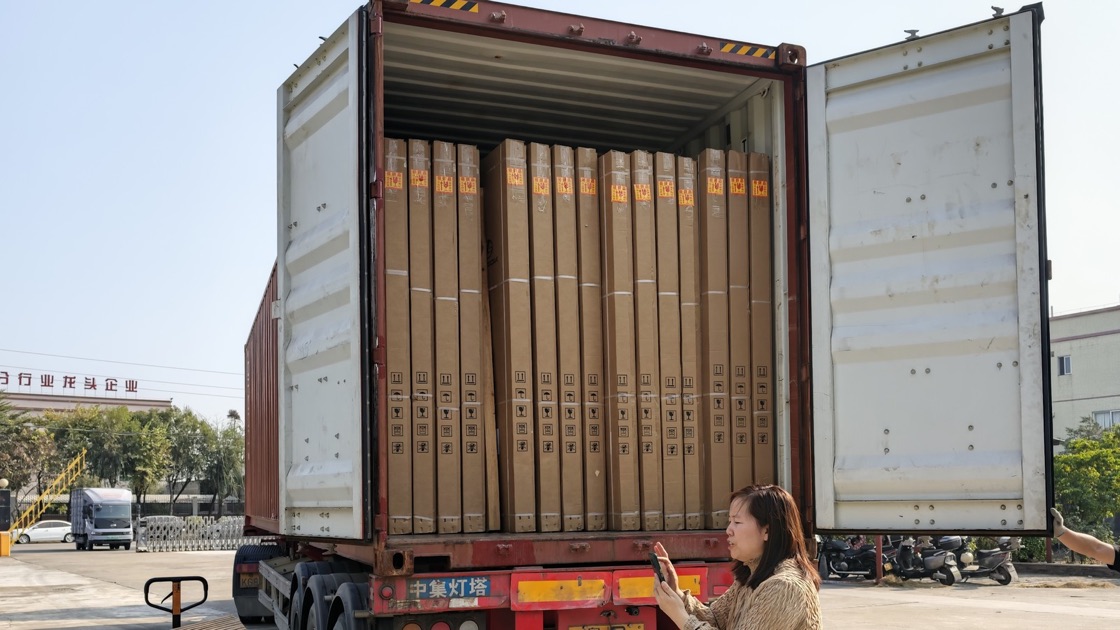
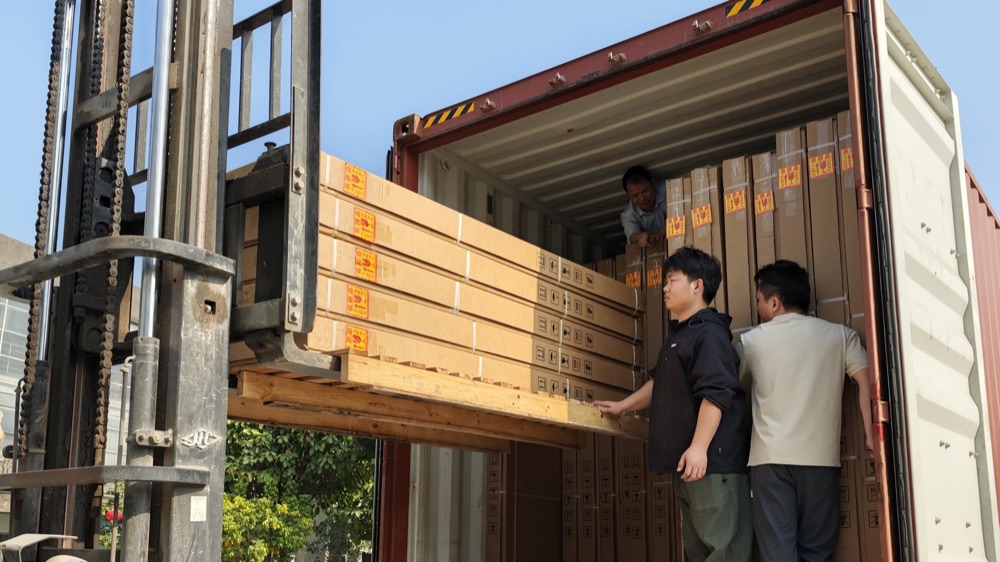
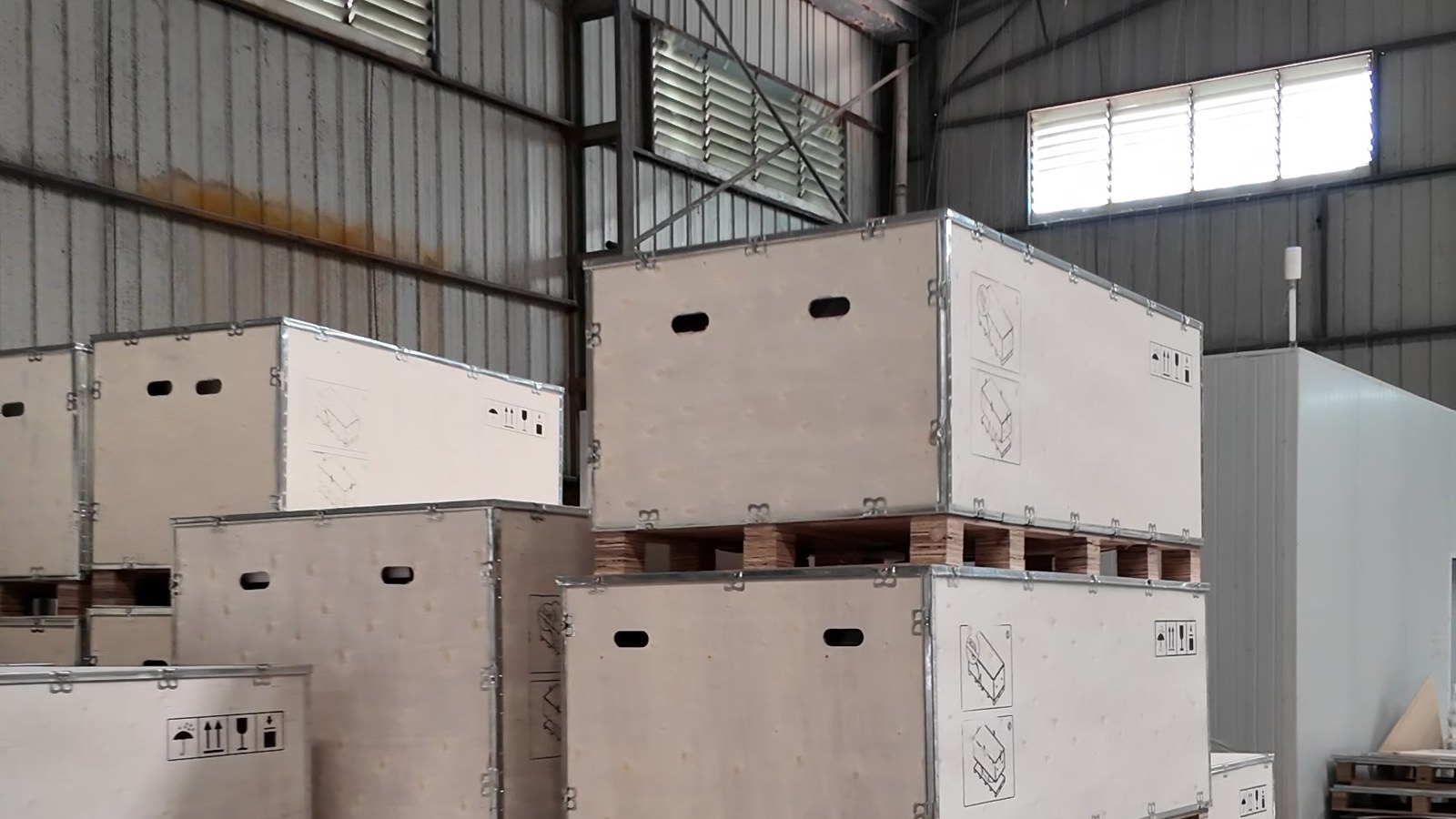
A cargo insurance claim is only as strong as the paper trail behind it. Insurers generally expect a commercial invoice and packing list matching the shipment, photographs of the goods and their packaging condition at the point of loading, and a survey report or damage assessment made promptly after the loss is discovered, rather than after the goods have already been used, resold, or discarded.
Reporting a suspected loss or damage promptly, keeping damaged packaging until a surveyor has inspected it, and notifying the insurer and carrier in the timeframe the policy specifies all matter as much as the coverage itself. A well-documented claim under narrower cover often recovers faster than a poorly documented one under broader cover.